


A Meaningful Milestone for Many Families
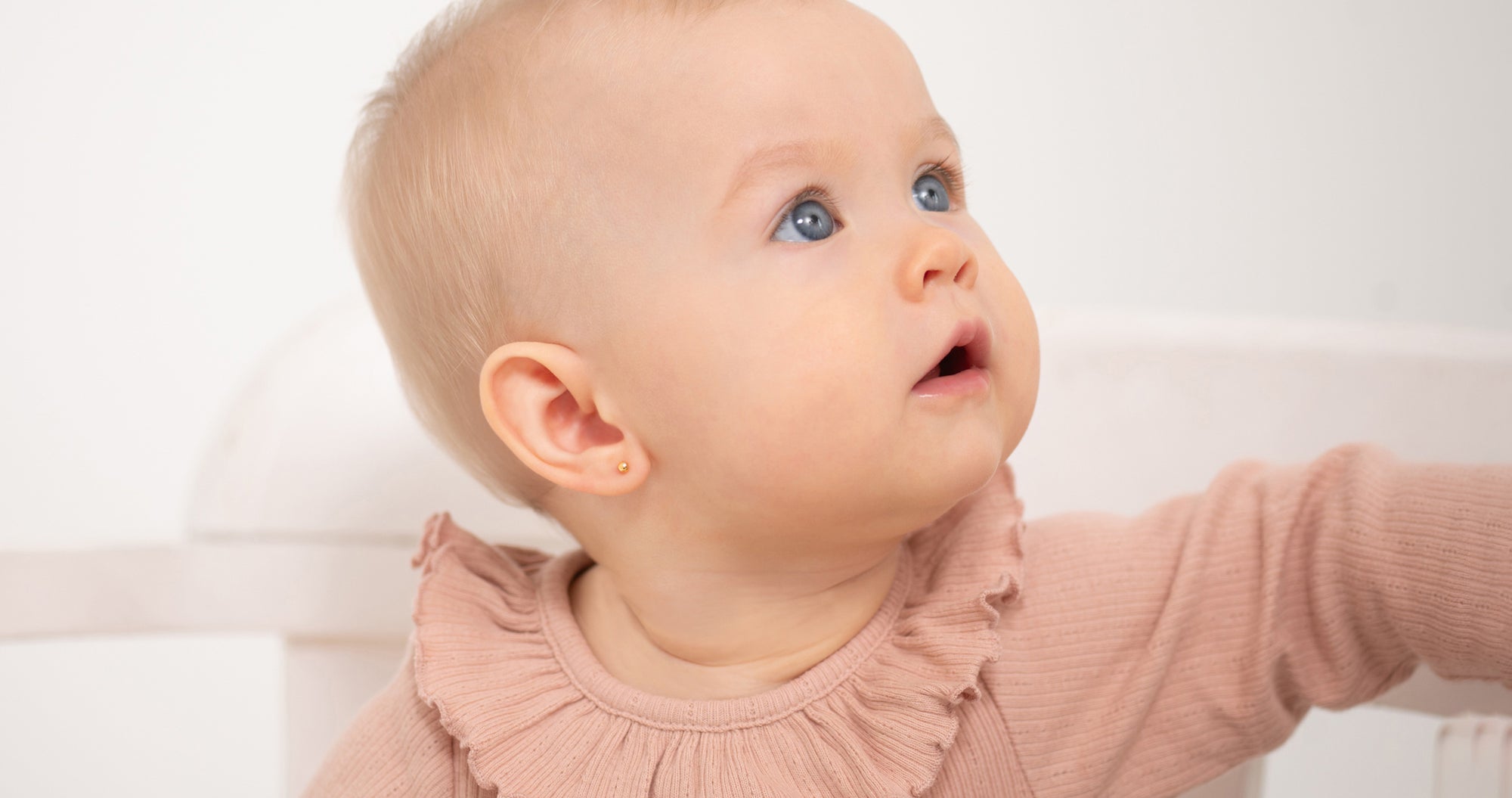
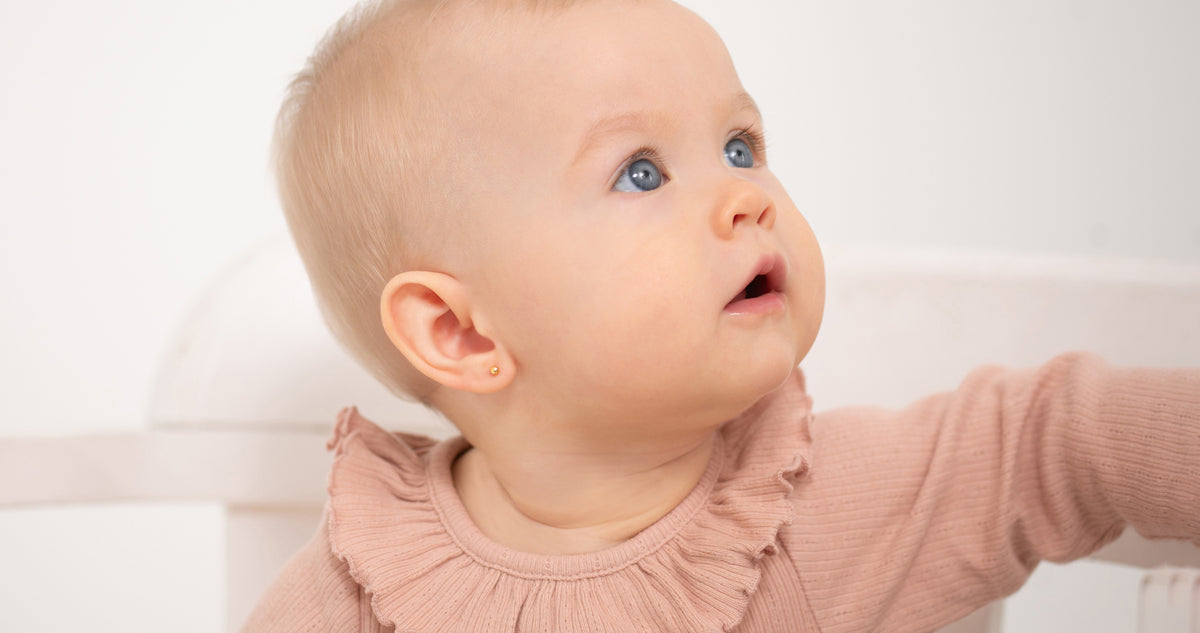
As parents, we celebrate every milestone in our baby's life: From first smiles to first steps. For many families, ear piercing is another meaningful moment, often tied to cultural traditions or personal preferences.
If you're considering piercing your baby's ears, understanding the process, timing, and aftercare can help you make a confident and informed decision.
Deciding the Right Age for Baby Ear Piercing
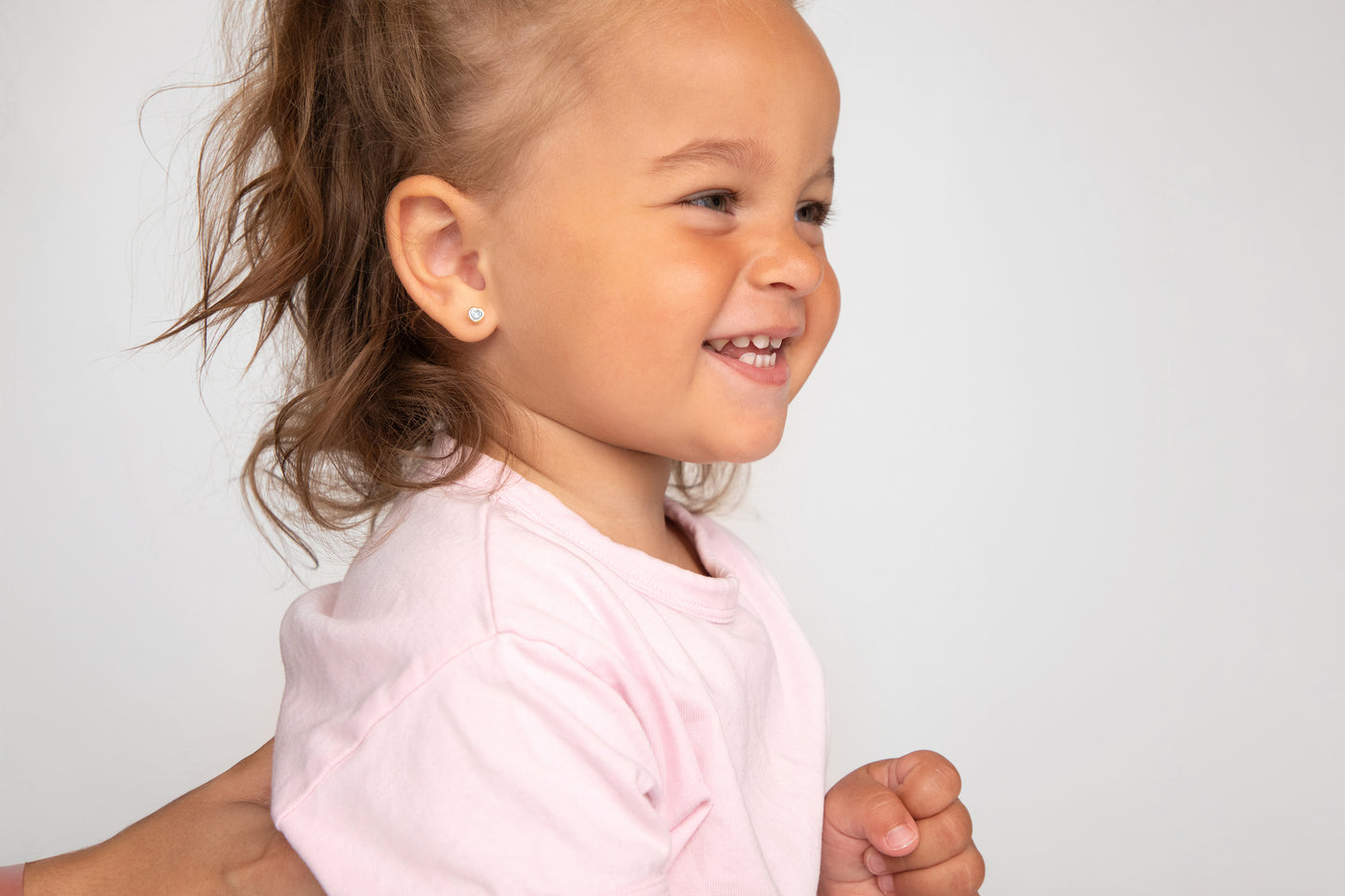
There is no universal "perfect" age for ear piercing. Some families choose to pierce their baby's ears within the first few months, while others prefer to wait until their child is older and can participate in the decision.
Benefits of Early Ear Piercing
Many parents choose early ear piercing for practical and sentimental reasons:
- Cultural or family traditions often encourage piercing during infancy
- Babies are less likely to touch or pull at earrings, which can help reduce irritation during healing
Reasons Some Parents Choose to Wait
Other families feel more comfortable postponing ear piercing until their child is older.
- Child's consent: Waiting allows children to decide for themselves when they are ready
- Shared aftercare: Older children can better understand and participate in cleaning and care routines
Choosing a Safe and Hygienic Piercing Environment
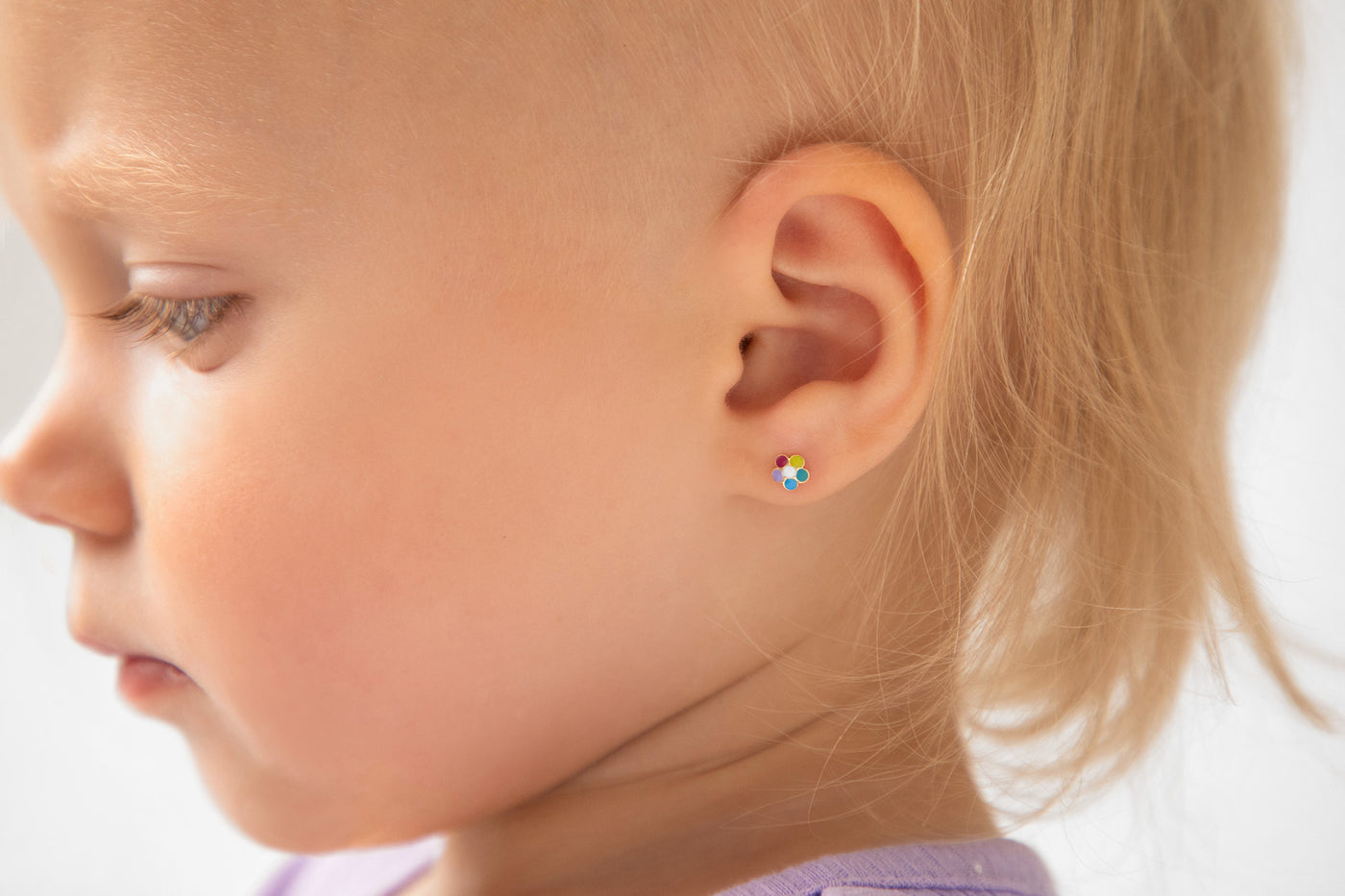
Safety and hygiene should always be the top priority when piercing a baby's ears. Selecting a professional and experienced provider helps reduce risks and ensures the procedure is performed correctly.
When choosing a location, look for:
- Professionals with experience piercing infants' ears
- Strict hygiene practices and sterile, single-use equipment
- The availability of hypoallergenic starter earrings designed for sensitive skin
Choosing the Right Earrings for Babies
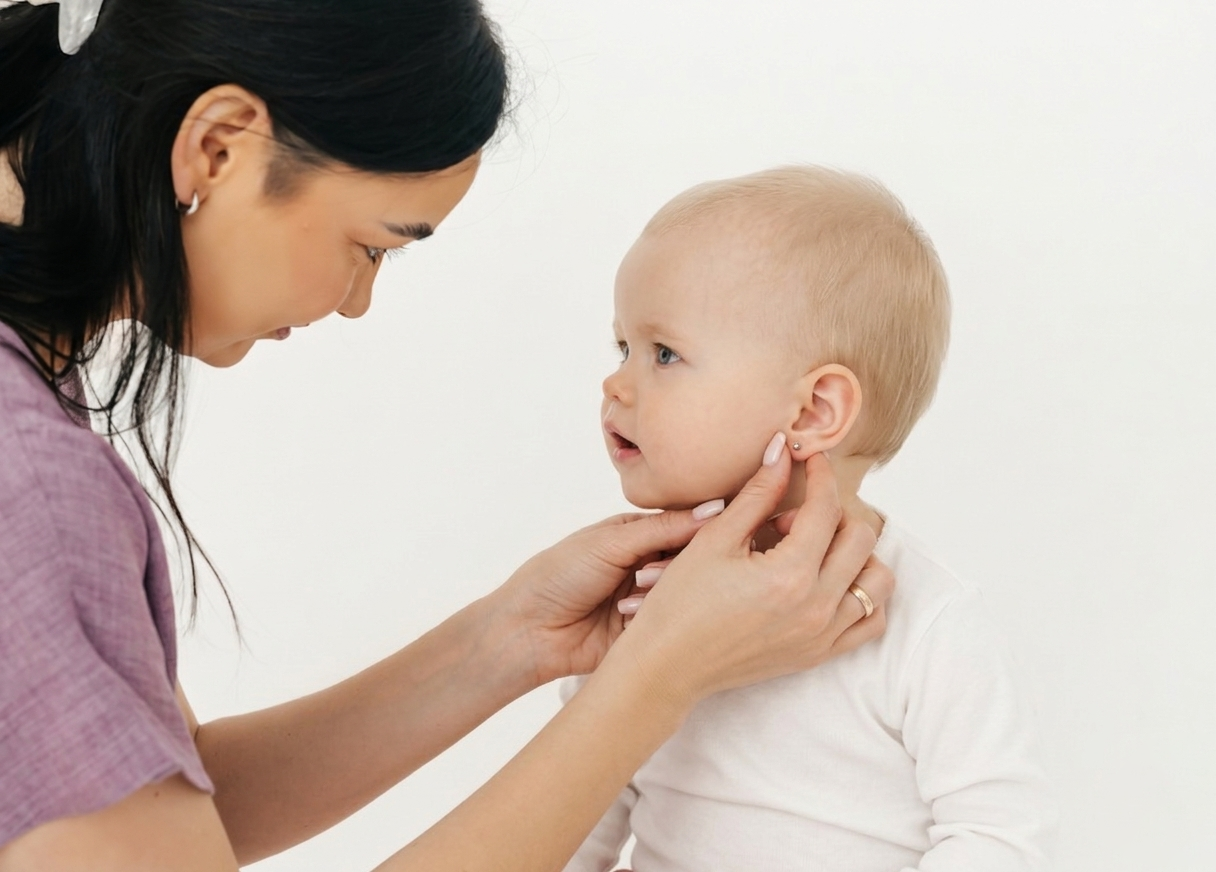
Because babies' skin is delicate, the type of earrings used during and after piercing plays an important role in comfort and healing.
When selecting starter earrings, consider:
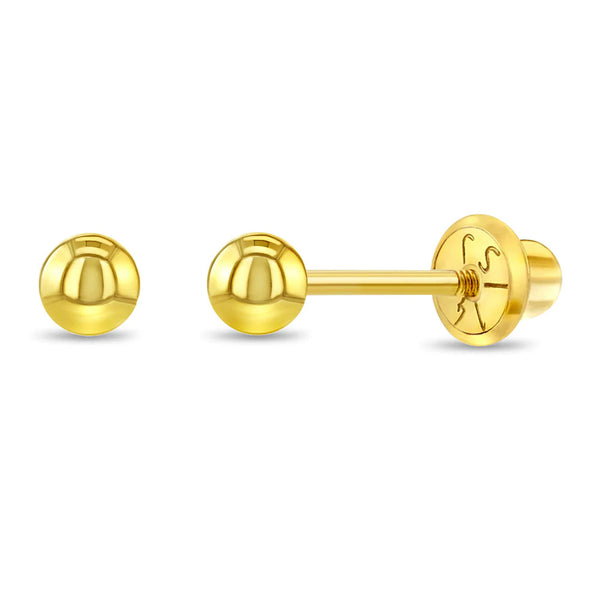
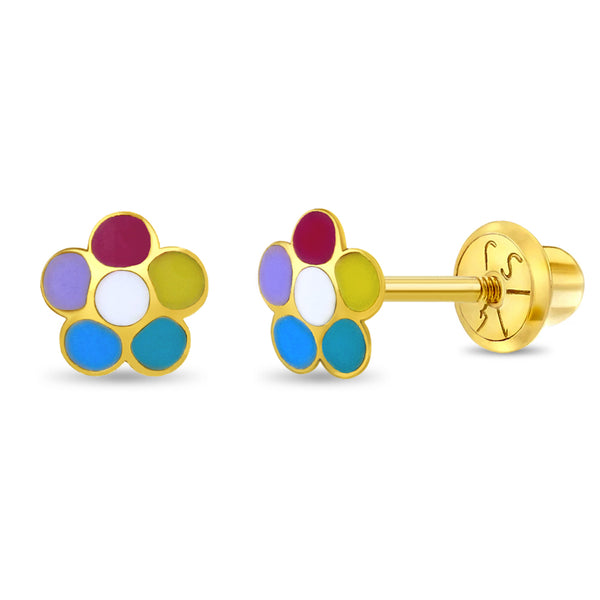
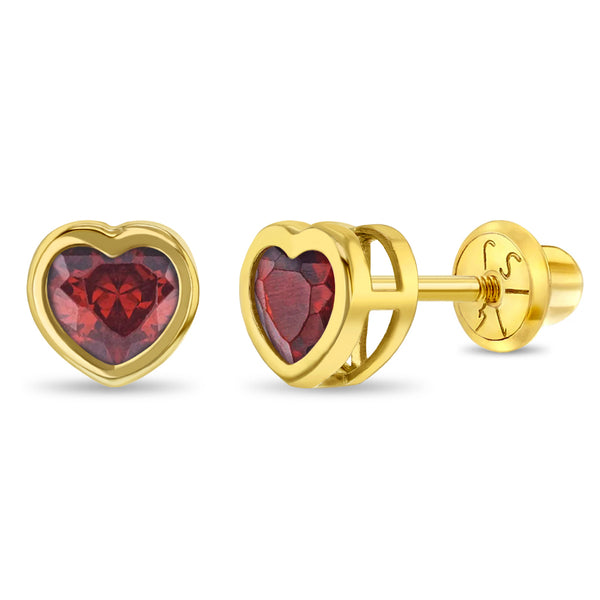
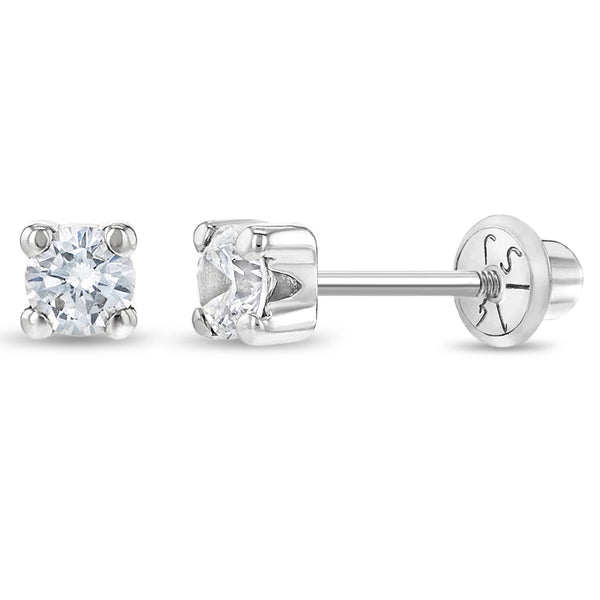
- ✓Hypoallergenic materials such as 14k gold or sterling silver
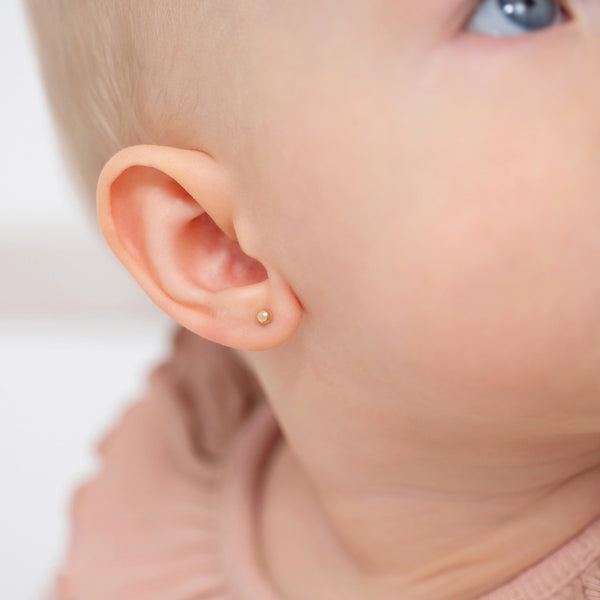
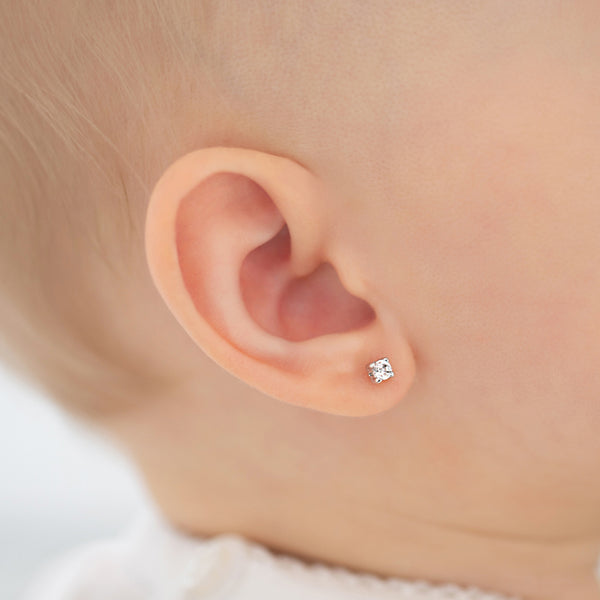
- ✓Small, lightweight designs that sit close to the earlobe
- ✓Smooth edges and secure closures to minimize the risk of snagging or irritation
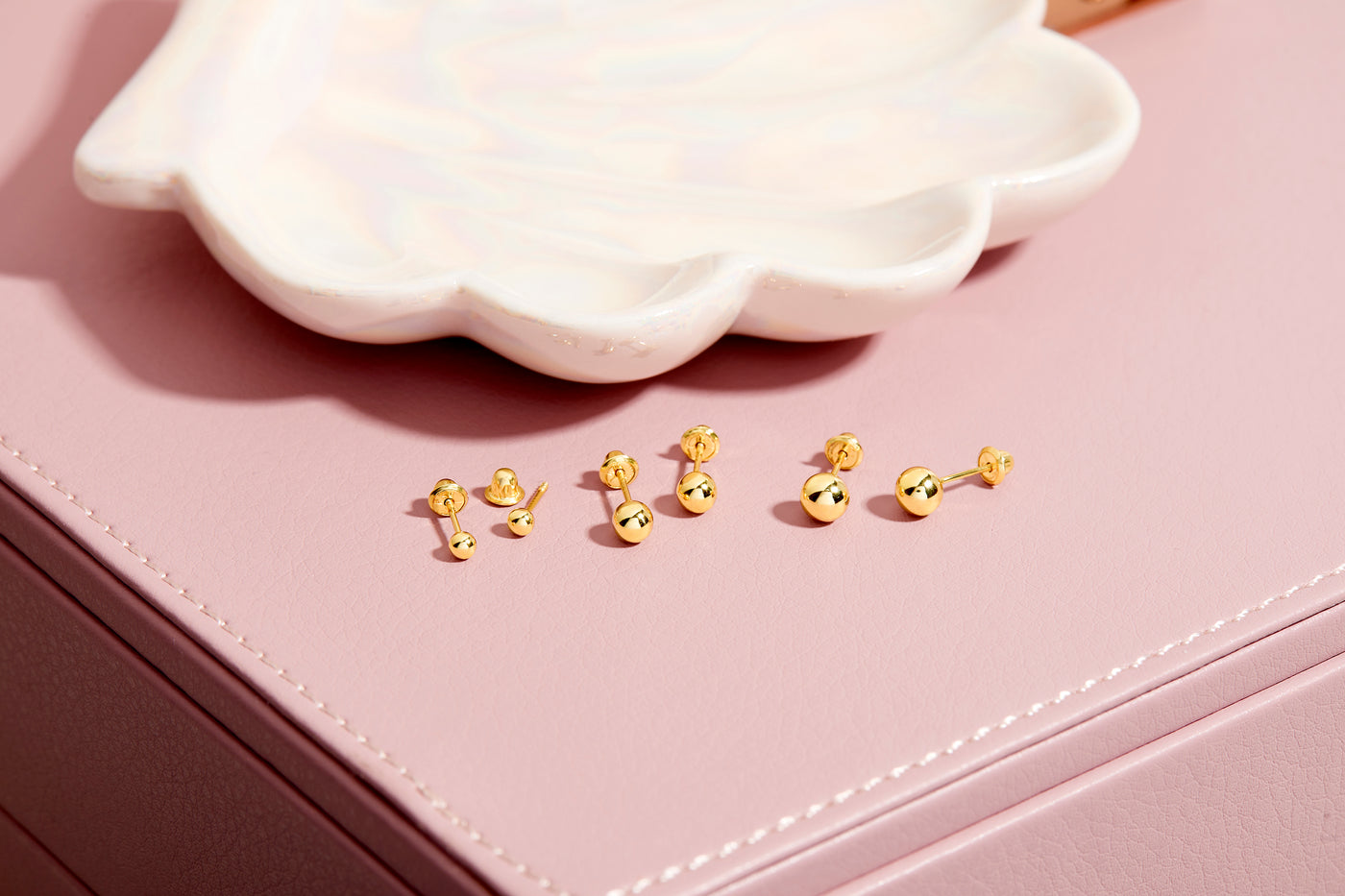
Simple stud earrings with secure backs are often recommended for babies, as they are designed to stay in place while the piercing heals.
Aftercare: Protecting Your Baby's Newly Pierced Ears
Proper aftercare is essential to prevent infection and support healthy healing. Establishing a gentle daily routine can make the process smoother for both you and your baby.
Establish a Cleaning Routine
Clean the pierced area twice a day using a cotton ball or pad dipped in a warm saline solution. Gently clean around the front and back of the earring without applying pressure.
Some professionals may recommend gently rotating the earrings, while others advise leaving them still: Always follow the guidance provided by your piercing specialist.
Signs of Infection to Watch For
While most piercings heal without complications, it's important to monitor your baby's ears during the healing period.
Contact your pediatrician if you notice:
- Persistent redness or swelling
- Warmth around the piercing site
- Yellow or green discharge
- Excessive tenderness or discomfort
Early attention to these signs can help prevent more serious infections.
Understanding the Healing Timeline
Baby earlobes typically take 4 to 6 weeks to begin healing, but complete healing can take several months. To prevent the holes from closing, it is generally recommended to keep the starter earrings in place for at least six months before switching to another pair.
Removing earrings too early may cause the piercings to close or heal unevenly.
Making the Decision: A Personal Choice for Every Family
Choosing whether and when to pierce your baby's ears is a personal decision influenced by cultural values, family traditions, and individual comfort levels. There is no single right answer: Only what feels best and safest for your family.
Taking time to understand the process and prepare for proper aftercare can help ensure that, whenever you decide to proceed, the experience is as safe and positive as possible.
Frequently Asked Questions About Baby Ear Piercing
What is the best age to pierce a baby's ears?
There is no universally agreed-upon age for ear piercing. Some families choose to pierce their baby's ears during infancy, while others prefer to wait until their child is old enough to express their own preference.
How should I care for my baby's ears after piercing?
Keep the area clean and dry. Clean around the earrings twice a day with a saline solution and avoid touching the earrings unnecessarily. Always follow the aftercare instructions provided by your piercing professional.
What are the signs of infection after ear piercing?
Common signs of infection include redness, swelling, discharge, and increased sensitivity around the piercing site. If you notice any of these symptoms, consult your pediatrician for guidance.
Leave a comment
Comments will be approved before showing up.